Daily acupuncture and rehabilitation after a stroke
A stay on the acupuncture and rehabilitation ward of a TCM hospital in Kunming: acupuncture every day, alongside physiotherapy, hand, speech and swallowing therapy. We assess the case before you travel, and look after the family while you are here.
Rehabilitation every day, not once a week
TCM hospitals in China have acupuncture and rehabilitation wards that treat stroke patients every day. On the ward, acupuncture and rehabilitation training happen daily and side by side, which is hard to arrange at home.
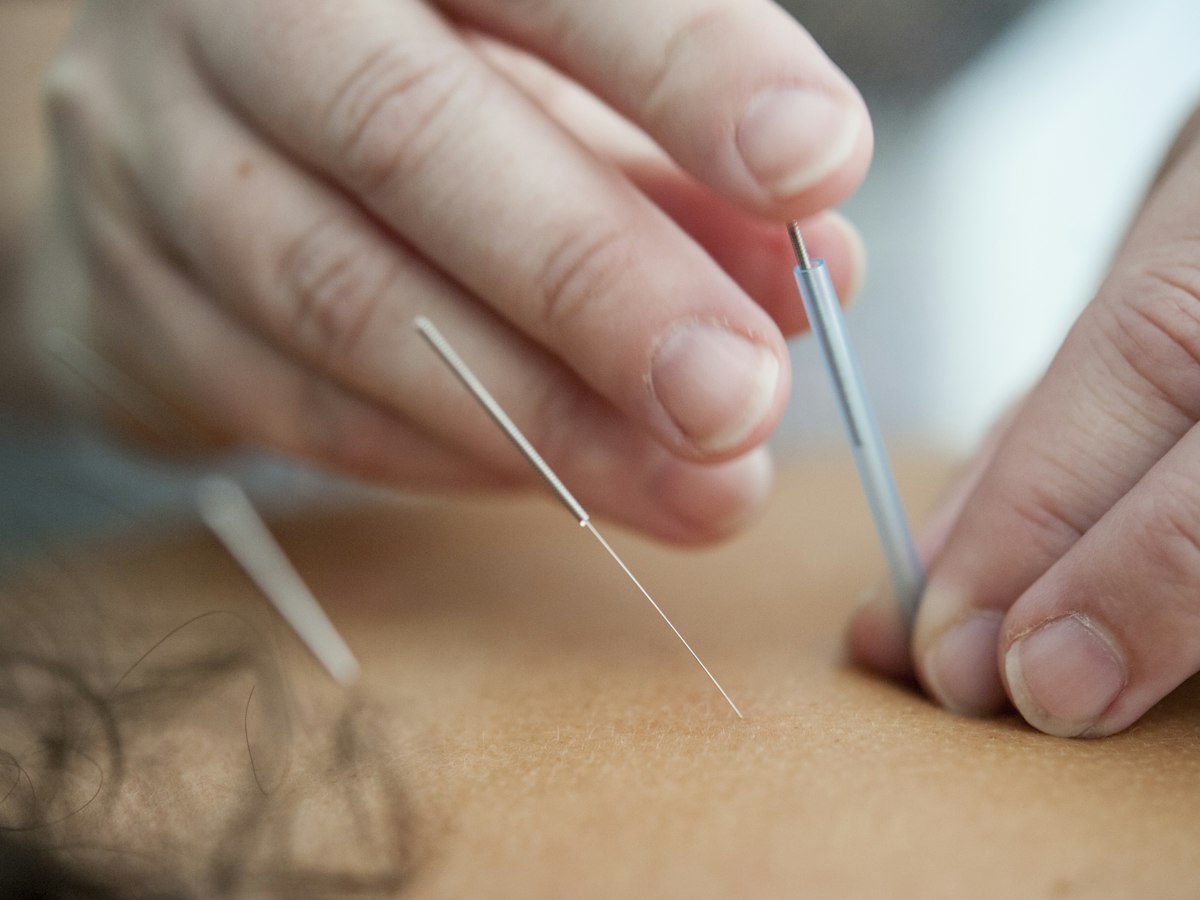
Acupuncture every day
Sessions with the ward's TCM physicians, usually once a day, five or six days a week, with sterile single-use needles.
Rehabilitation training
Walking and balance, hand function, and speech and swallowing therapy, as the hospital's team decides.
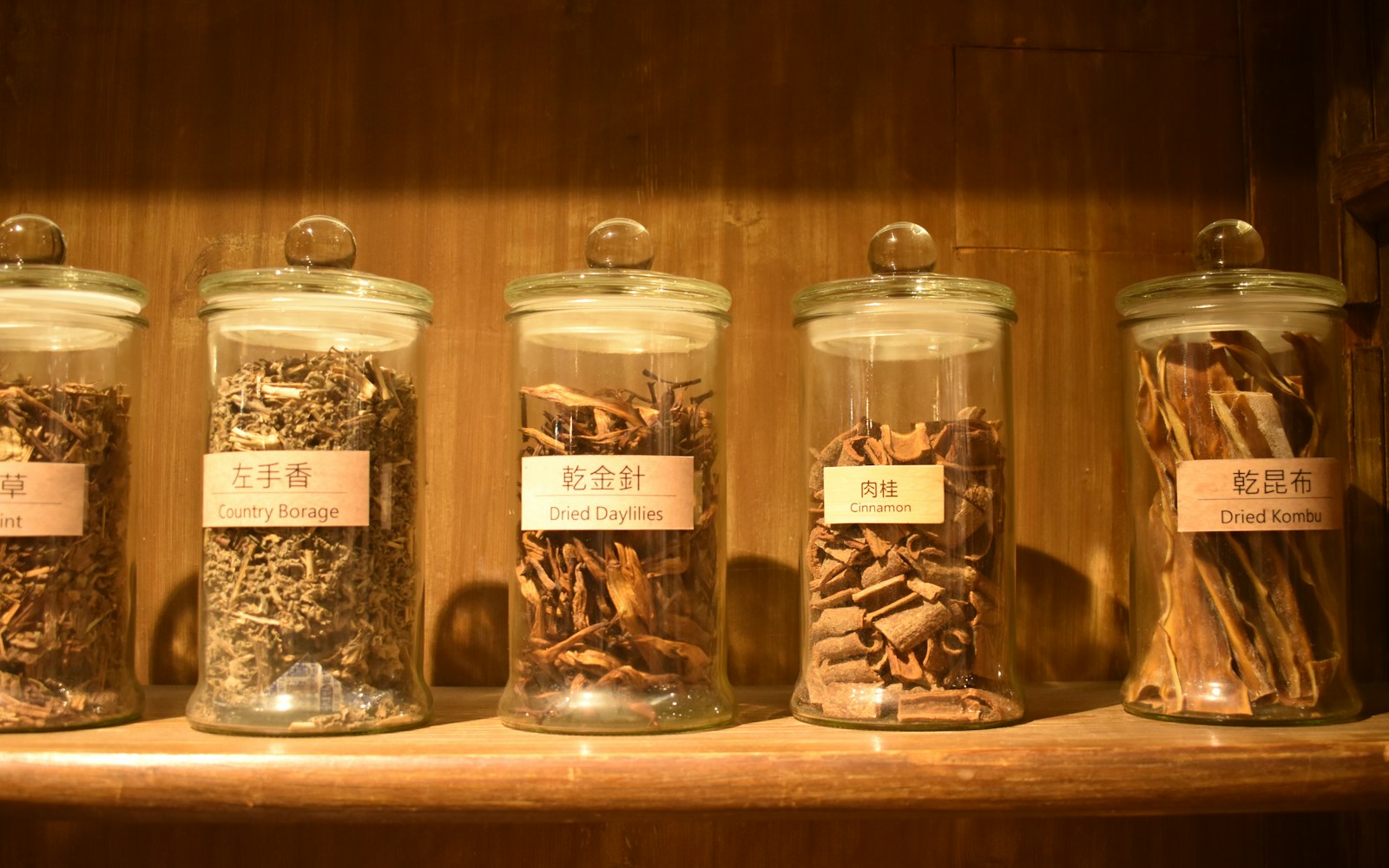
Herbal medicine and tuina
Prescribed by the physician where suitable, after reviewing every medicine the patient takes.
Stable patients, assessed before travel
- Usually six months to two years after the stroke, once the patient has left acute care and their condition is stable.
- Weakness, unsteady walking or unclear speech that the family hopes to work on with more intensive therapy.
- Fit to fly, confirmed in writing by the patient's own doctor before booking.
- Not for an acute stroke. If a stroke is happening now, call your local emergency number.
Assessment, a ward stay, then follow-up
- Assessment before travel: 1–2 weeksThe family sends recent records, scans and a short video of the patient walking and talking. A physician at the hospital reviews them and says whether rehabilitation is likely to help and whether the patient can travel. Then you get a written plan and quote.
- Ward stay: four weeks, renewableDaily acupuncture and rehabilitation training on the ward, with a carer, and a coordinator who visits every day and interprets for the family.
- Follow-up at home: three monthsVideo reviews with the physician, a home exercise programme, and planning for a further stay if the family wants one.
Looking after the people who come too
A place to stay nearby
An accessible apartment or hotel close to the hospital, and a private car with room for a wheelchair.
A carer on the ward
A trained carer arranged through the hospital, so the family can rest.
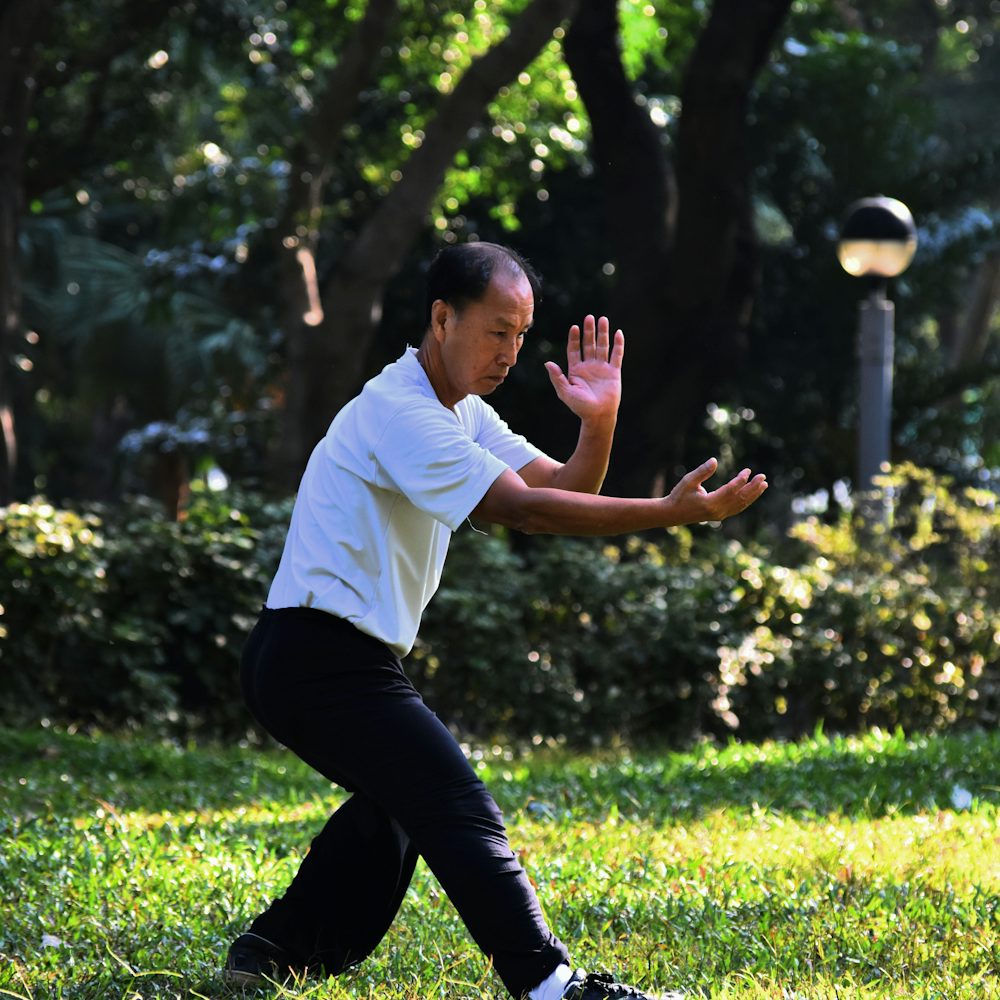
Tai chi and Baduanjin
Morning classes for family members. With the physician's agreement, patients can join a seated or chair-supported version to work on balance. About tai chi with us.
Meals
Halal, vegetarian or soft-food diets for the patient, and meals for the family.
Updates in your language
Your coordinator explains each review with the physician and keeps the family informed.
Privacy
Medical records shared only with the hospital, with your consent.
Before you decide
- No promised outcomes. Recovery after a stroke differs from person to person. The physician explains what rehabilitation may help with and what it cannot.
- The hospital provides all care. All treatment is given by licensed physicians and therapists at a licensed hospital. We coordinate; we do not give medical advice.
- Emergencies. If the patient's condition changes, the hospital transfers them to its neurology or emergency department. We confirm this arrangement in writing before you book.
- Keep taking prescribed medicines, including blood thinners, unless a doctor advises otherwise. Bring a full list and enough supply.
- Visas and length of stay. Visa-free entry usually allows up to 30 days. A longer stay needs a visa or an extension, and we help you plan this before you travel.
- Travel medical insurance that covers China is strongly recommended for the patient and the family.
Stroke rehabilitation FAQ
How long should we stay?
Can the patient fly?
Does someone need to come with the patient?
How much does it cost?
Start with an assessment
Tell us when the stroke happened, how the patient is now, and what the family hopes for. We reply within one working day.
Or email hello@bewelltrip.com